
Agent Orchestrator
MITCH CLARKE
I turn ideas into working software with governed fleets of AI agents; built for people, engineered for developers.
TLDR
Below are the systems my agents have shipped, how the orchestration works, and the receipts. Every number on this page is real, exported straight from the runs that produced it.
The builds
What got built
Real systems, each shipped by a governed agent team. Read the plain version on the card, or open any case for the full engineering story.
Flagship / The Latent Space Travel Agency
Every pair of concepts has territory between them. We sell tickets.
Type two words. Travel the real geometric path between them, town by town, postcard by postcard.

ORCHESTRA
A control room for running many coding agents at once, with human gates before anything risky ships.
Open the case
COFFEEDEX
A bilingual coffee field guide real customers use in a real shop, with a globe of origins.
Open the case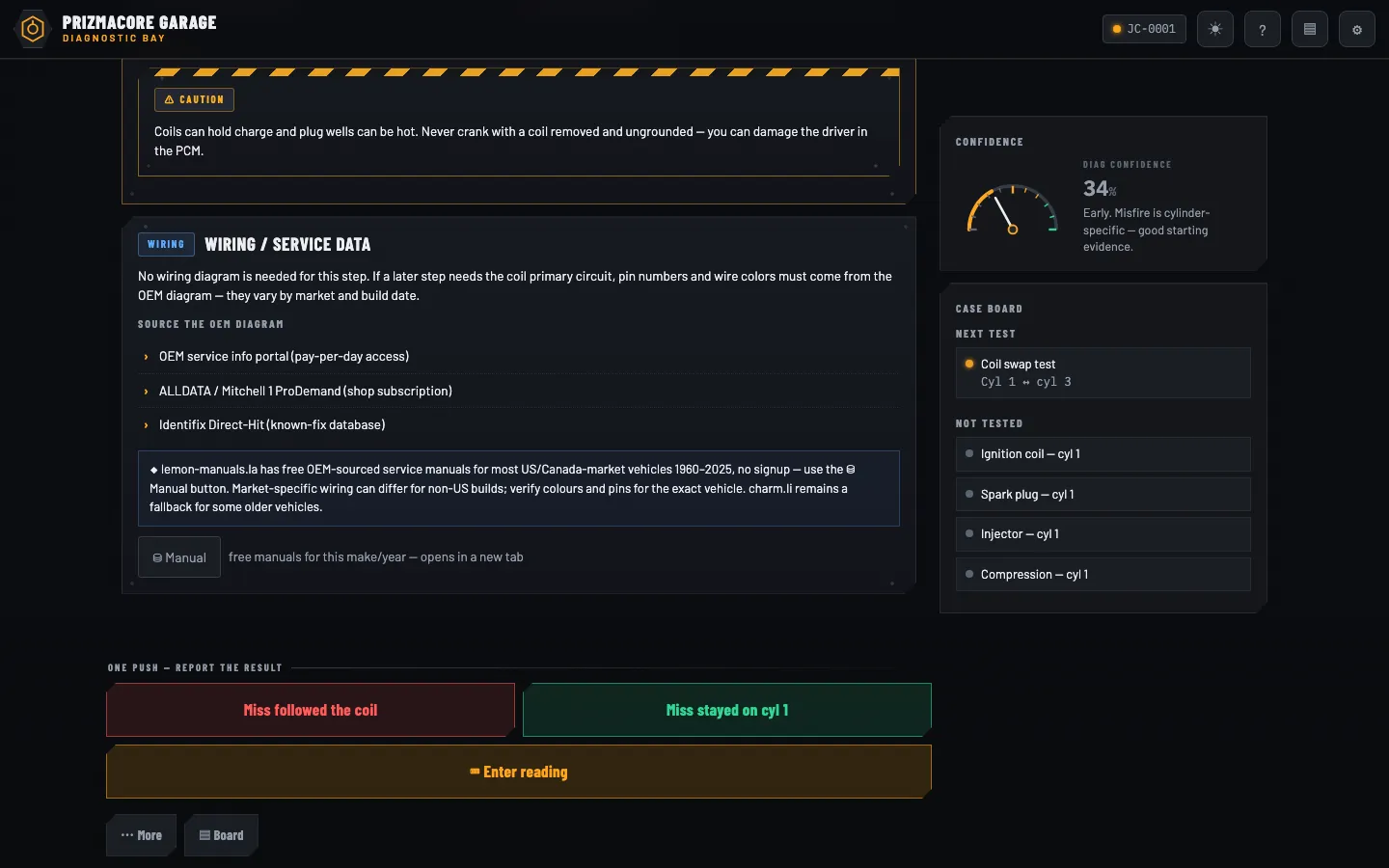
bayline
Guided diagnostics a workshop licenses, brands as its own, and runs at the front desk before the tools come out.
Open the case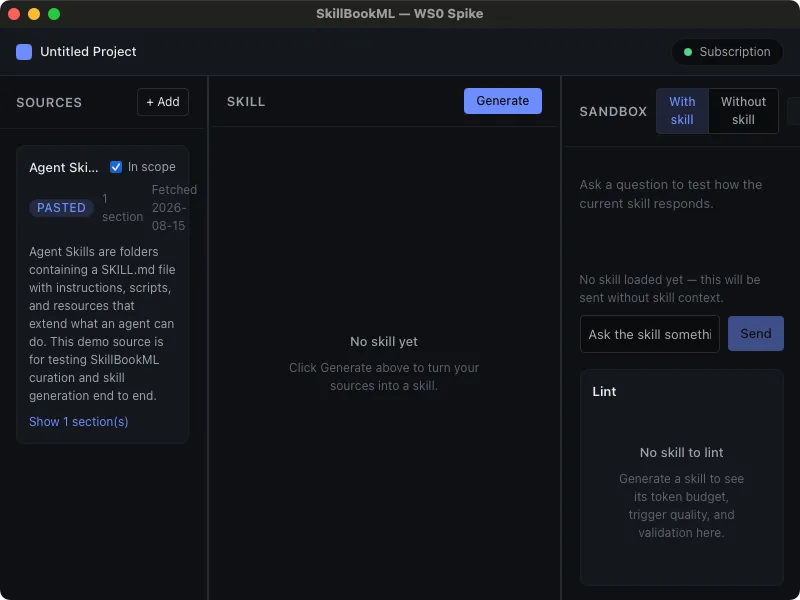
SkillBookML
A desktop app that turns documents and references into a tested Agent Skill your coding agent can load.
Open the case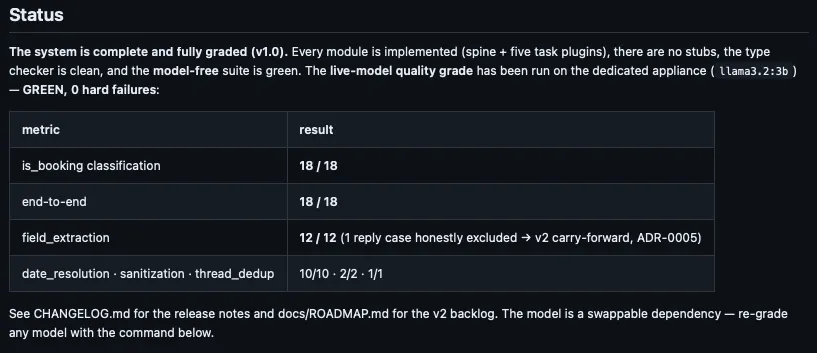
SLM4SMB
An email receptionist for trade businesses that books jobs without sending a word to the cloud.
Open the case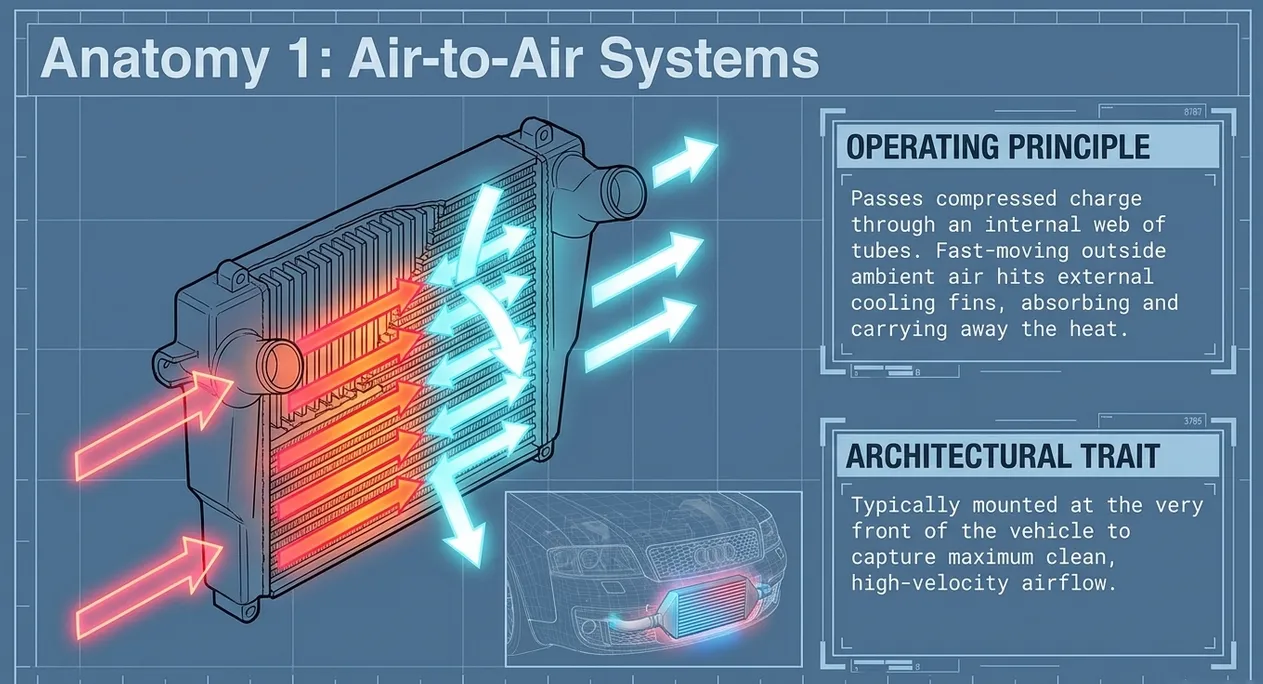
RTO AUDIT
A national training unit audited line by line and rebuilt to standard, every claim grounded.
Open the case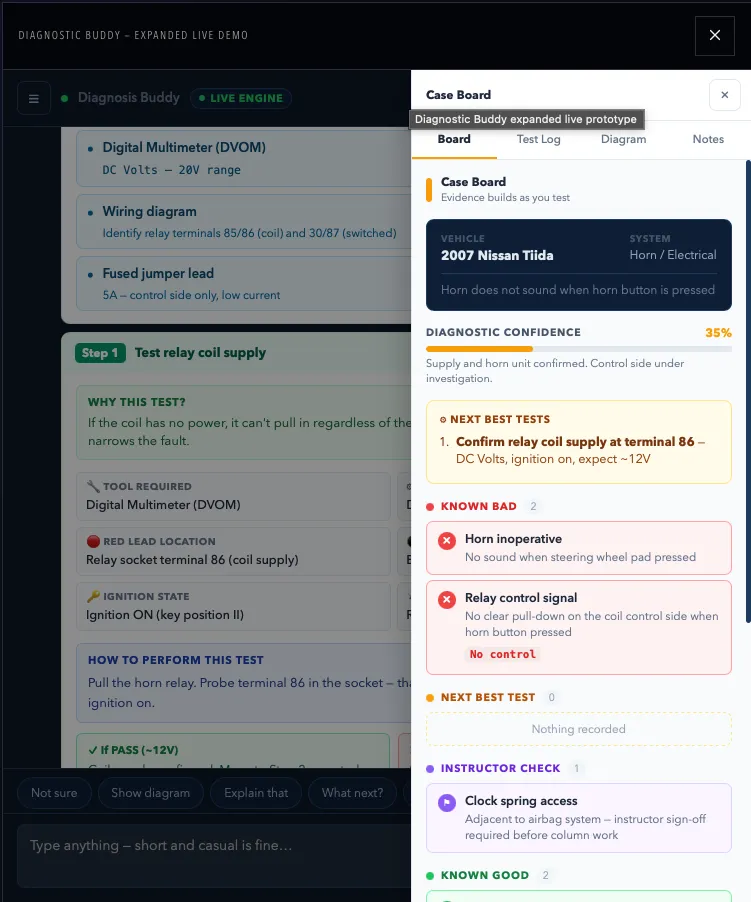
DIAGNOSTIC BUDDY
Guided troubleshooting an apprentice can follow on a phone next to the car.
Open the case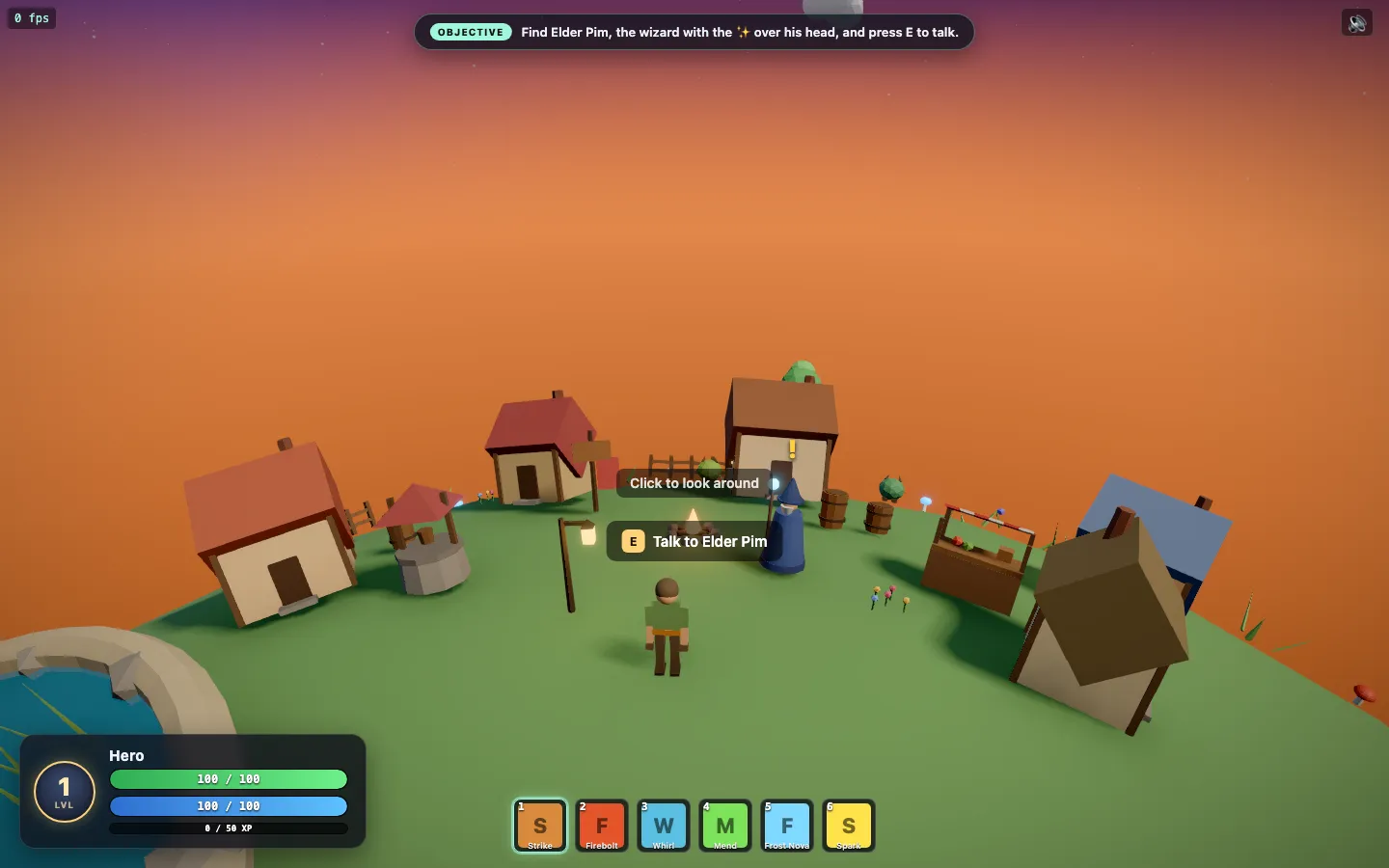
ORBIS
Walk all the way around a tiny planet, pick a target, and fight; in the browser with nothing to install.
Open the case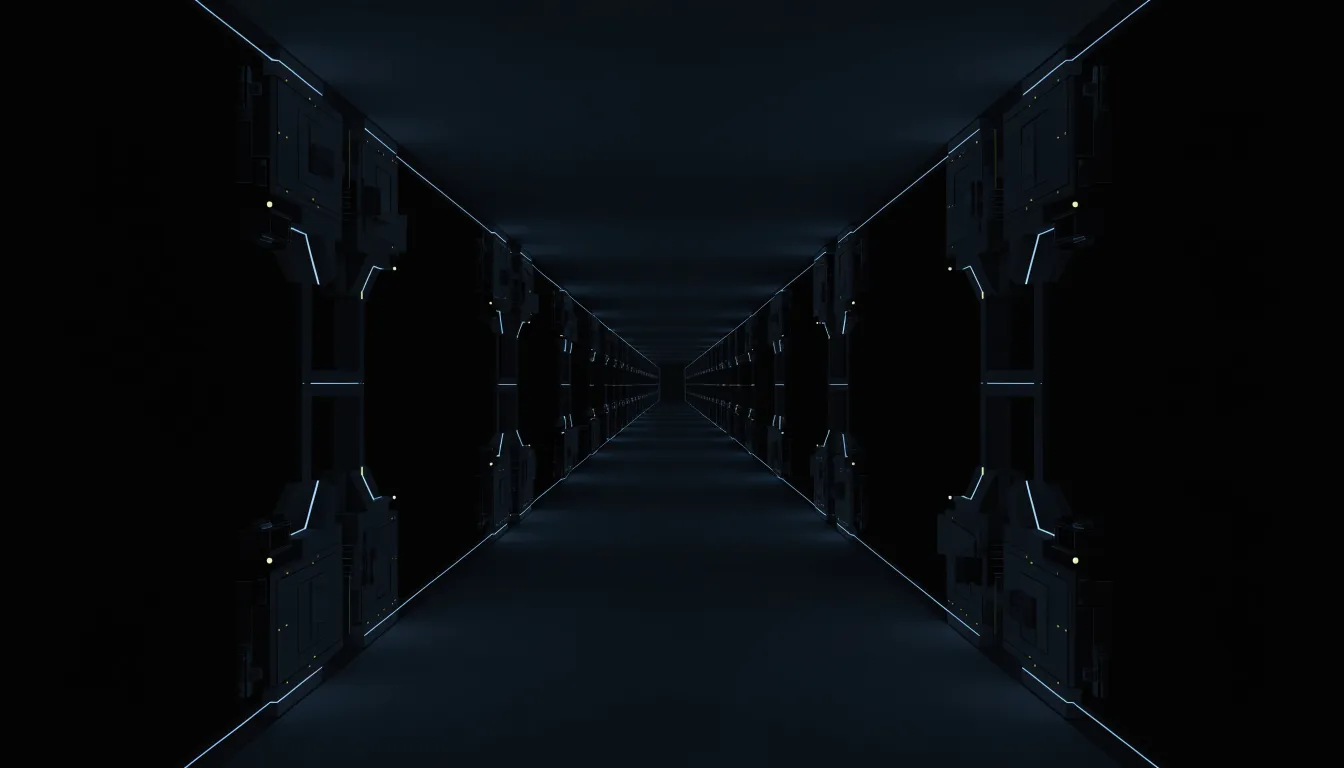
ORCHESTRATE
One command that scaffolds a phase-gated agent mission with checkpoints and mandatory tests.
Open the caseIn the lab
Being built right now
-
Prime Time Trivia
4,693 questions, with your last 500 tracked so repeats effectively never happen.
-
prep-day
Meal planning for Australian households; budget, nutrition, and a cook-day engine.
-
tinybrawl
Tiny open-weight models, trained and fought in weight classes.
No links yet on purpose. Entries move up to the grid when they ship.
More systems
Active
Second Brain
A Claude-native business vault with custom skills: working memory for research, workflow diagnosis, and reusable systems.
Shipped
Forgiveness Letter
A small, finished web app built in one unattended agent run. A personal one.
Open the app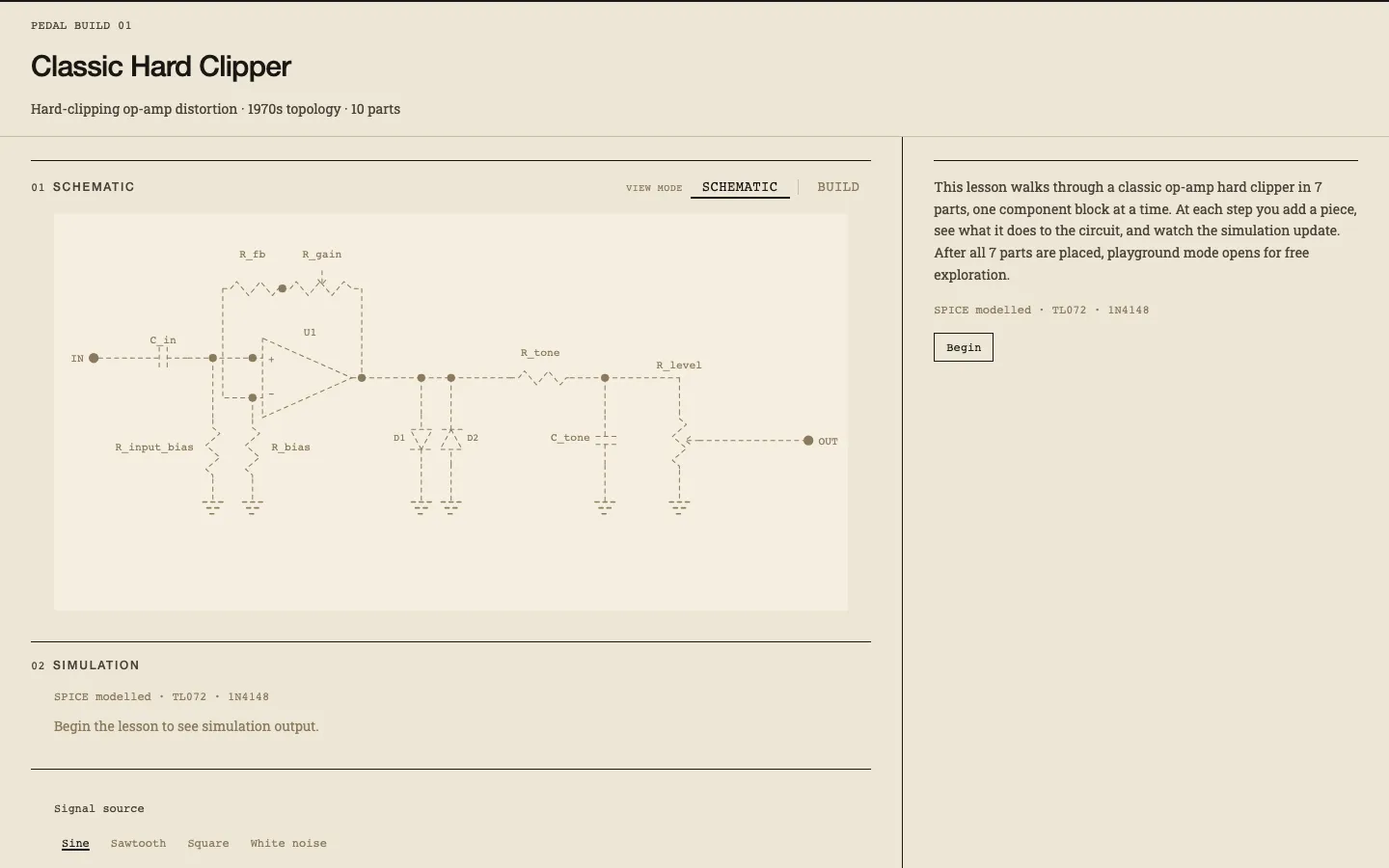
How I run agents
The orchestration model
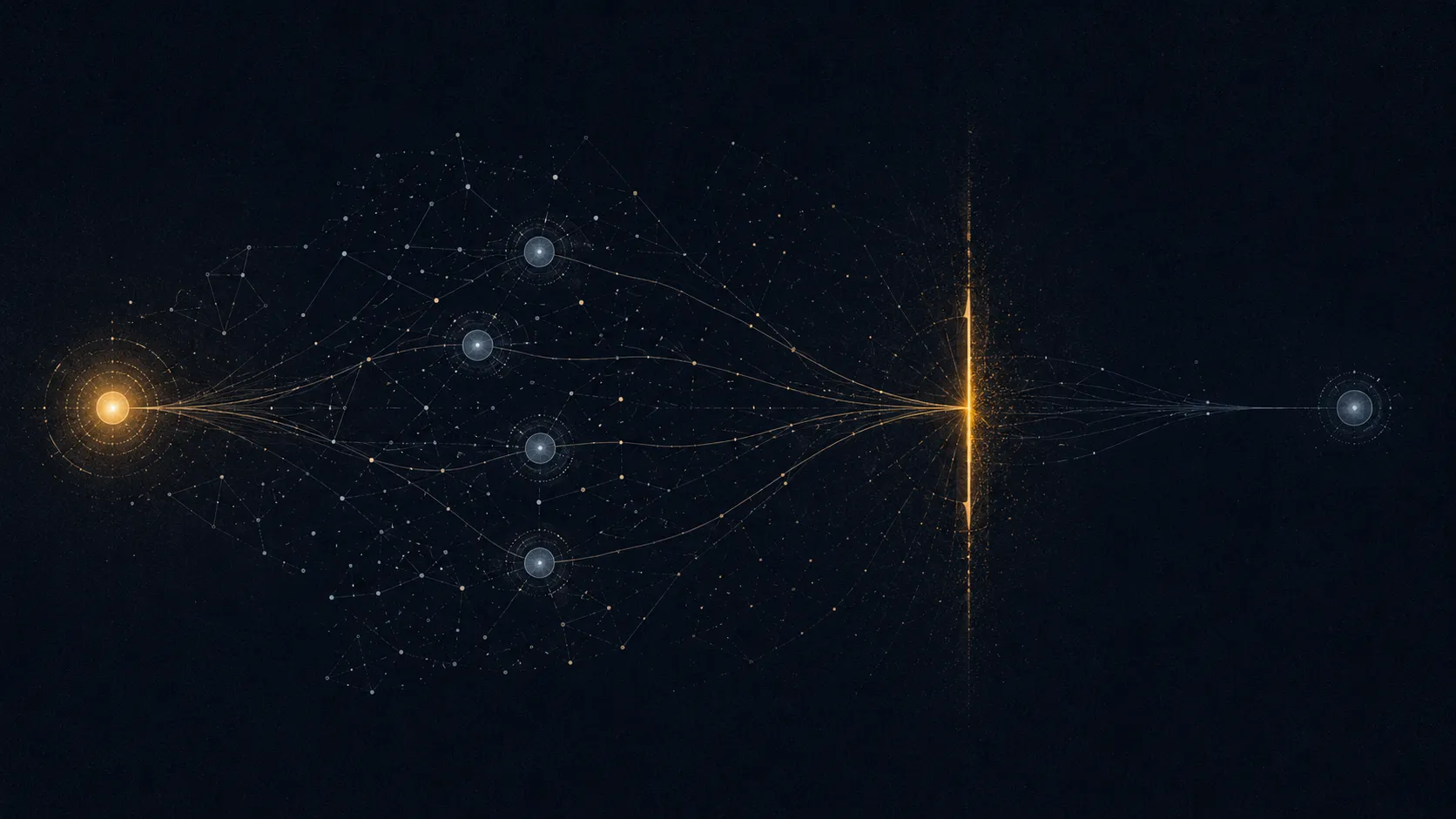
Every run follows the same structure. A boss holds the mission and never writes. A manager owns the phase sequence and the state file. Workers are disposable; they receive a brief and report back. Adversarial reviewers are always separate from the writers they review. Human gates are hard stops, not suggestions.
The map shows the structure used by the missions documented on this site.
A real governed run
A real governed agent run. An agent team scaffolds a CLI: every phase implemented, independently reviewed, then gated before commit.
Final gate: all five falsification criteria pass.
A run, documented
How a build actually goes
-
The wireframe gate passed. I issued the S2 brief to a disposable Sonnet worker: Astro skeleton, token system from the design plan, content collections wired, every page rendering real copy. The brief specified the Orchestra case page first, because that was the hardest screen. The worker had no prior context. It had the brief, the design plan, and the untouchable files.
-
The worker built the full skeleton: layout, tokens, fonts, four routes, view transitions, the claims audit. It flagged two items it was uncertain about and kept going. That is correct behaviour. I read the output before touching anything.
-
Manager verification found what the worker had partially flagged. Artifact links pointed at a GitHub remote that does not exist. A token and cost figure appeared in case copy, sourced from a roadmap file rather than a Ledger export. Both fail the falsification clause. Neither reached the published page.
-
Dead links removed. The figure withheld pending a real Ledger export. Em dashes found in source comments stripped. The amendments were committed, the build rerun, and every scan repeated from zero: dash scan, banned-word scan, locked file byte check. All clean.
-
Both manager rulings went to the copy gate. Artifact links stay out until Orchestra has a real public remote. The figure reaches the page only through a real Ledger report embed. Both confirmed. The run closed the same day it opened.
The numbers
What the runs show
This site is one of them. The numbers below come straight from a ledger my own agents built and exported, measured across every run on the estate.
Exported from real runs · 15 May 2026 to 13 Jun 2026 and 18 Jul 2026 to 15 Aug 2026
Instrumented runs only. Thousands of further sessions, and most of the development behind these builds, run uncounted.
Operating principles
How I work
No number exists unless a tool produced it. Every figure ships from a real export or it does not ship.
Every agent runs behind a human gate. Permission decisions stay explicit, logged, and mine.
Define failure before you build. Each system carries a written test for what would prove it broken.
Whoever builds it does not review it. Review is always a separate seat.
Incidents are evidence, not embarrassments. Every failure becomes a blameless postmortem and a new control.
State lives in files, not memory. Any run can crash and resume cold from what was written down.
Get in touch
BUILD WITH ME
Got something that needs to ship under real governance? Bring it.